
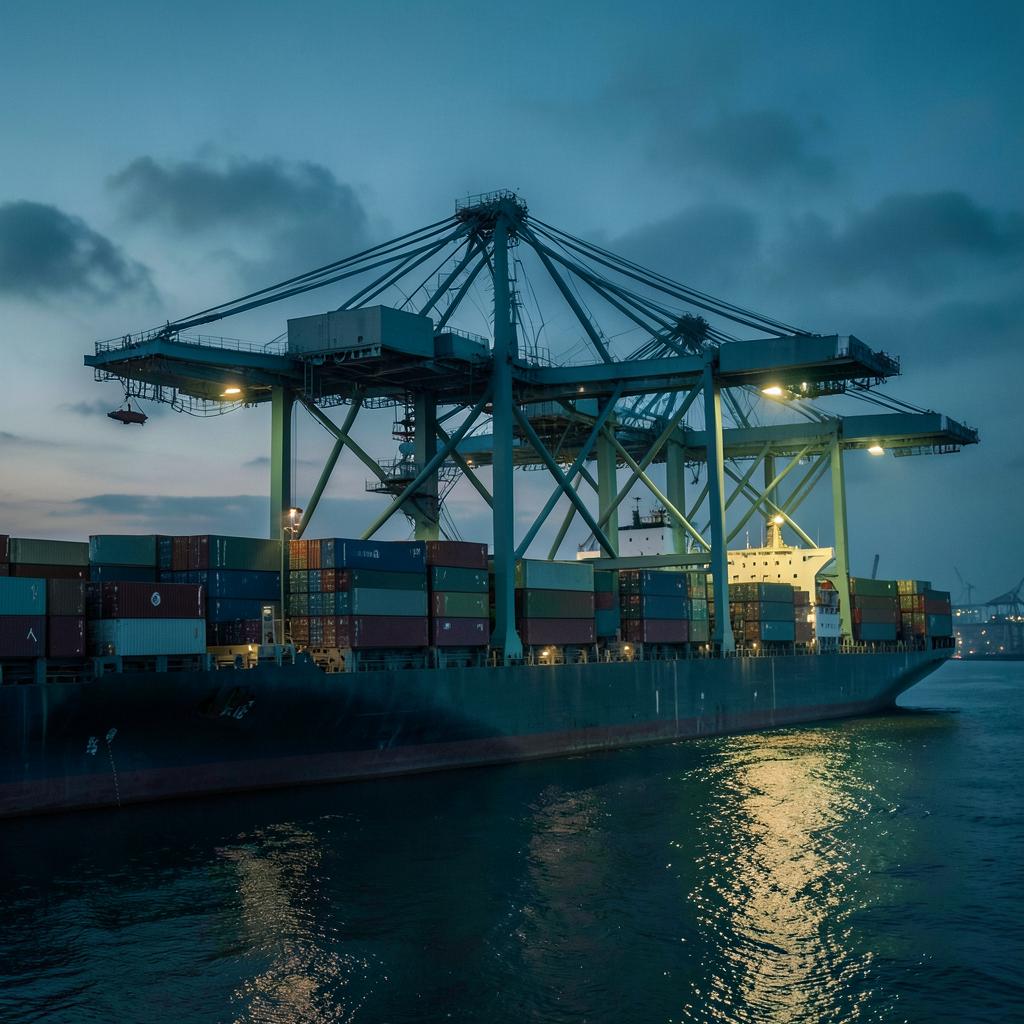
Ocean freight
Sea freight, sealed at origin and opened by you
Ocean is the backbone of world trade because it moves volume at a cost nothing else can match. Its weak point has never been the ship — it is the silence between the gate-in and the gate-out. CargoVault runs sea freight as a continuous custody chain rather than two scans separated by three weeks of nothing.
Typical transit
18–38 days port to port, lane dependent
Best for
Volume, pallets, machinery, non-urgent stock
Services
FCL, LCL, reefer, out-of-gauge
Cover
All-risk marine, transhipment included
How it works
Every stage, start to signature
Booking and space allocation
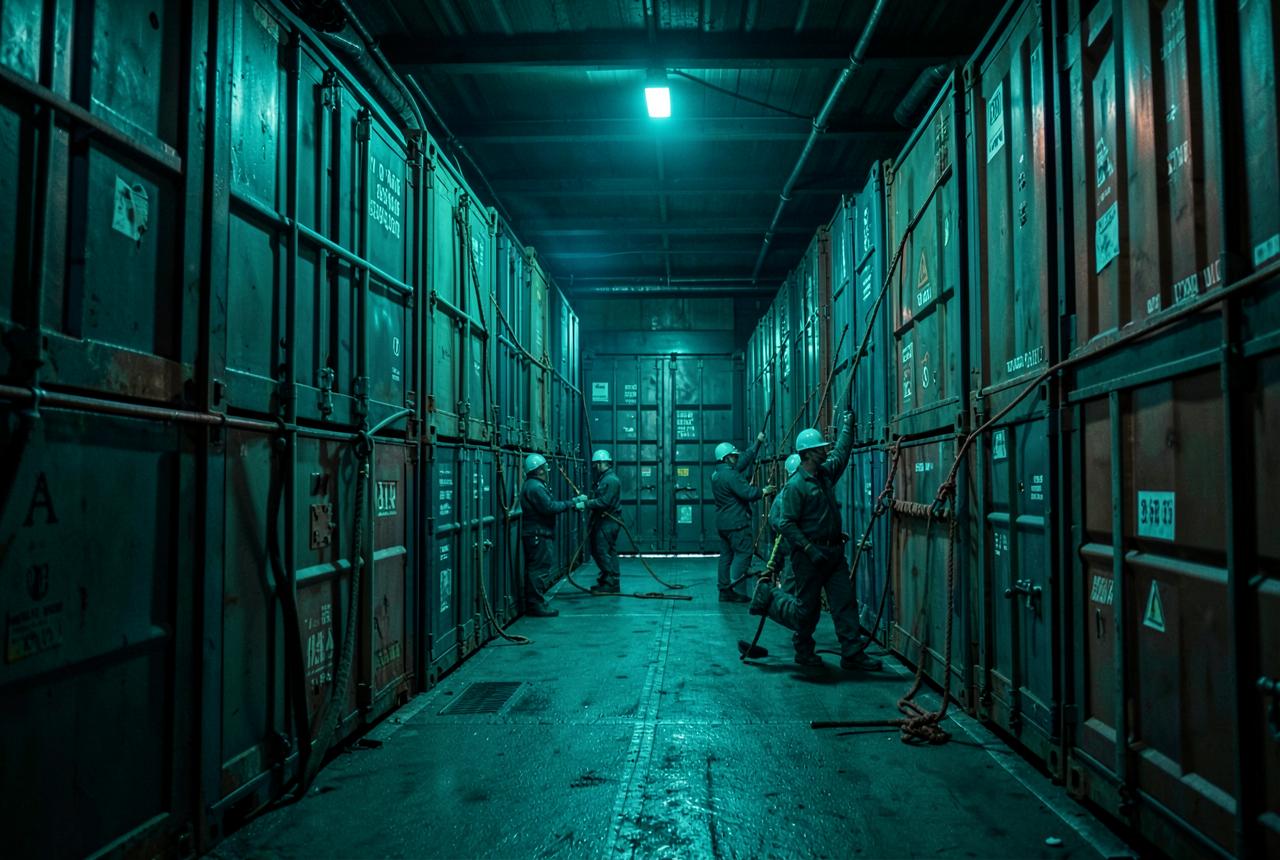
Your consignment is booked against a named sailing on a scheduled service, not a floating estimate. We hold allocation with carriers on our core lanes, which means your container has a slot before you commit, and we tell you the cut-off dates for documents and for physical delivery to the terminal in the same message. If a sailing rolls, we are notified by the line and we notify you the same day, with the next vessel already identified.
Collection, stuffing and sealing
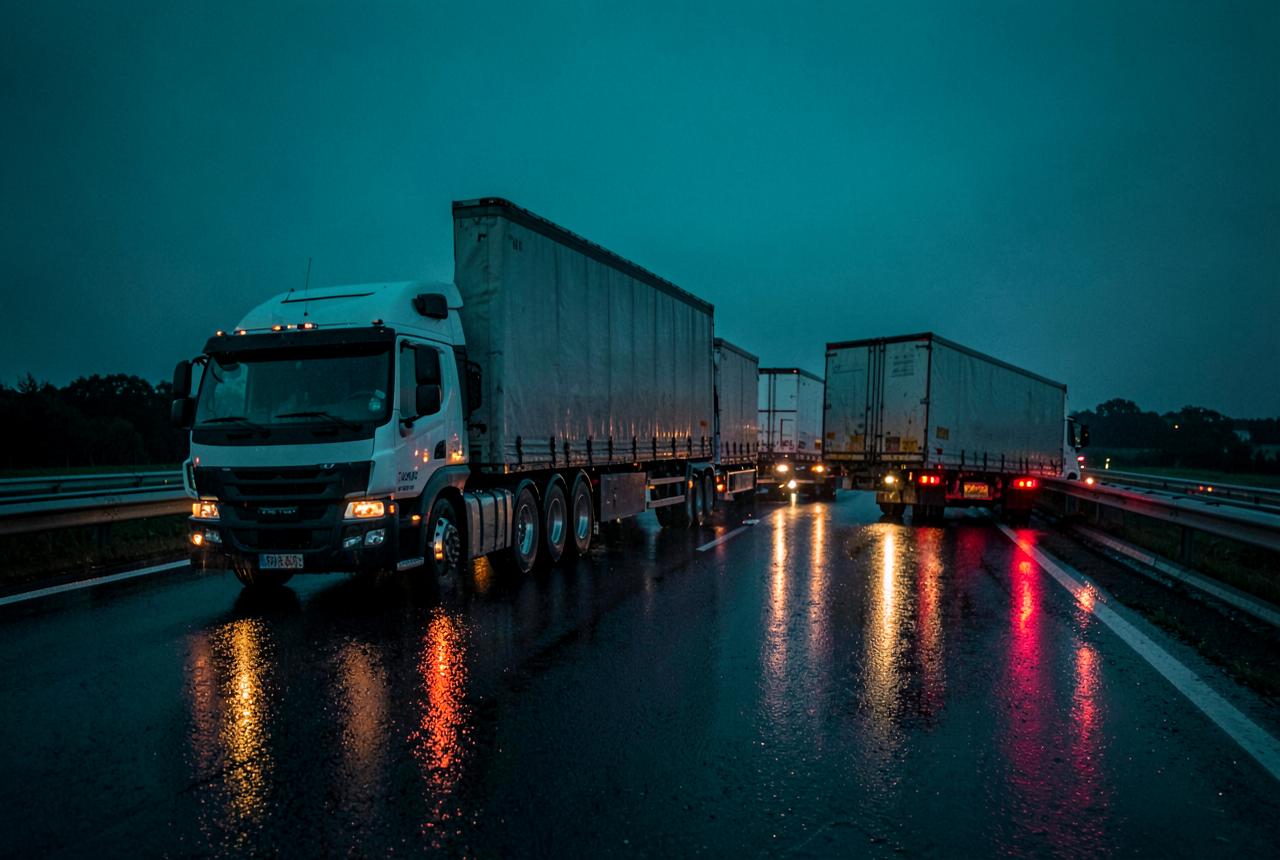
Our pickup crew collects from your address, or we stuff at our own facility if you are shipping LCL. Every carton is weighed, counted and photographed. The container door is closed with a numbered bolt seal, the seal number is written into your file, and the photograph of that closed seal is attached to the tracking record. From that moment, any change in the seal number is an exception that has to be explained in writing.
Terminal, loading and the ocean leg
Gate-in at the port of loading is a scan. Loading aboard is a scan. From there the movement is tracked against the vessel's own position and schedule, so the dashboard shows the live ocean leg with a real progress position rather than a decorative bar. Transhipments — the classic place where cargo goes quiet — are treated as named checkpoints with their own arrival and departure entries.
Discharge, clearance and delivery
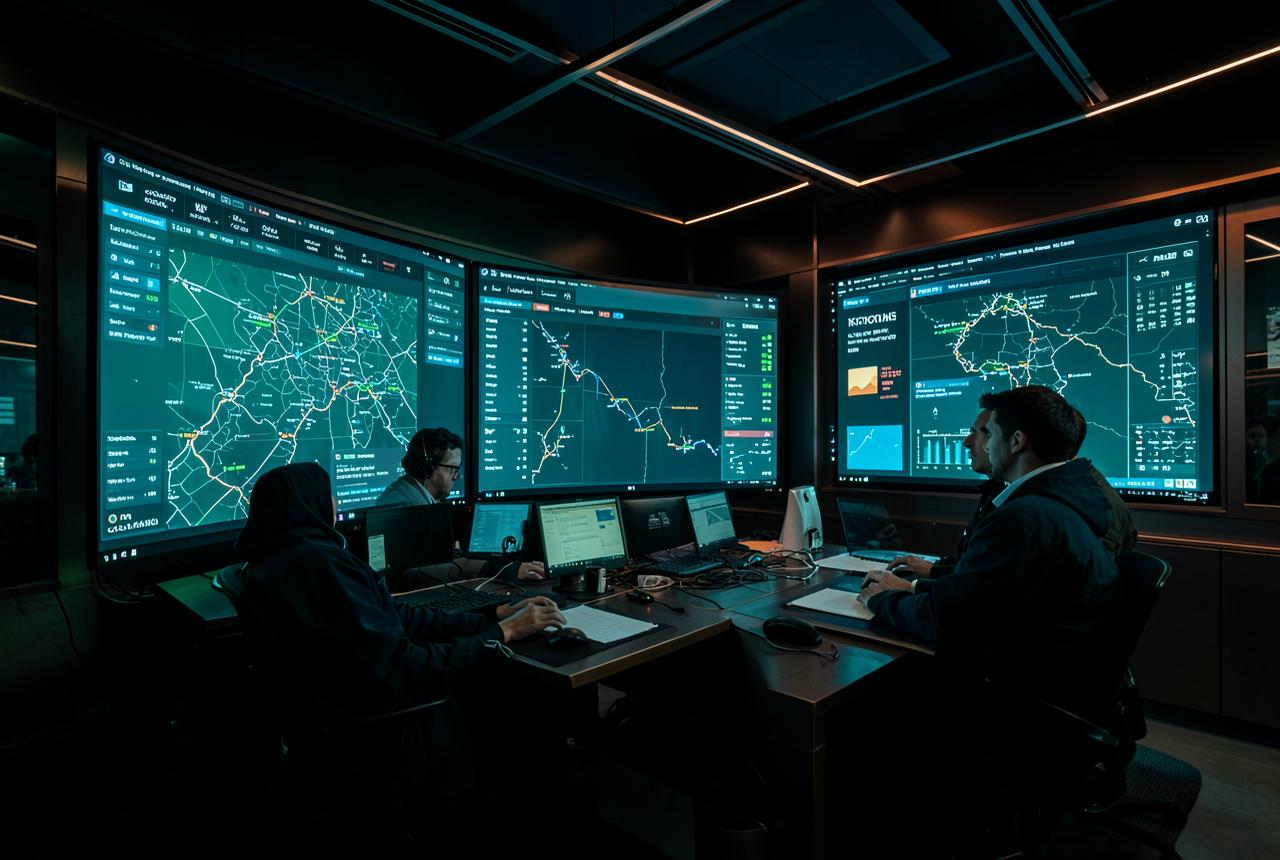
Our brokers pre-file the entry before the vessel berths, so clearance runs in parallel with discharge instead of starting after it. Once released, the container is hauled by our own vetted road network to the delivery address, unstuffed under supervision if required, and signed for with photographic proof of delivery captured against the tracking number.
Why it is safe with CargoVault
Security you can audit, not just be promised
The seal is the promise
A sealed container that arrives with the same seal number it left with is the single strongest guarantee in freight. We photograph the seal at closure, at gate-in, at gate-out and at delivery. Four images, four timestamps, one number. If those four do not match, you know before the box is opened, and the claim is already evidenced.
Cover that follows the box, not the leg
All-risk marine cover is written into the booking and stays live through transhipment, terminal storage and inland haulage — the gaps where standard policies quietly lapse. General average, a genuine ocean risk that can leave uninsured shippers paying toward a salvage they had nothing to do with, is covered under the same policy. Claims are handled by our own team from the file we already hold.
Stowage that respects the cargo
Reefer units are monitored with temperature logging you can request at any point. Out-of-gauge and heavy-lift pieces are surveyed and lashed to plan, with the lashing certificate stored against your reference. Dangerous goods are declared properly, because an undeclared drum in a stack is what turns a routine voyage into a fire.
What the price includes
Everything below is in the quote, not added later
Completed shipments on this service
Corridors we run regularly
Open any corridor below to replay a completed consignment checkpoint by checkpoint, on the live map, exactly as the customer saw it.
Straight talk
What people get wrong about this service
“Sea freight is too slow to be useful”
Slow is only a problem when it is unpredictable. A sailing booked eight weeks ahead against a known cut-off is one of the most reliable dates in logistics, and it costs a fraction of air. The shippers who struggle with ocean are the ones who plan around a rate rather than around a calendar. We plan the calendar with you first.
“LCL means my goods get mixed up”
Only if the consolidator is sloppy. Every LCL consignment we handle is a distinct, labelled, scanned unit inside the container, photographed at stuffing and again at de-consolidation. Shared space is a cost decision, not a custody compromise.
“Once it sails, nobody knows anything”
That is exactly the gap CargoVault was built to close. Vessel position, port calls, transhipment arrivals and departures and the customs status at destination all land on your timeline while the box is still at sea. Silence is a defect, not an inevitability.
Questions
Answers before you book
How much can I fit in a container?
A 20ft container typically takes around 10 standard pallets and 28 cubic metres of usable space; a 40ft roughly doubles that. Below about 15 cubic metres, LCL is usually the better economics — send us your pallet count and we will tell you honestly which one wins.
What is demurrage and how do I avoid it?
Demurrage is the daily charge the terminal levies once your free time after discharge expires. We avoid it by pre-filing the customs entry before berthing and pre-booking the haulier, so the box moves on the day it is released rather than sitting on a chargeable quay.
Can you collect from my supplier abroad?
Yes. We arrange origin collection, consolidation of multiple suppliers into one container and export formalities at the loading port, then hand you a single reference for the whole movement.
What happens if the vessel is delayed?
The line notifies us, we notify you the same day with the revised ETA and the knock-on effect on clearance and delivery. Where the delay threatens a deadline, we will price the air alternative for the critical portion so you can make a commercial choice.
Ready to move something?
Book a collection on this service, see the cost before you commit, and get your tracking number the moment the consignment is sealed.